


Rates of autism have increased over the past three decades, and scientists continue to investigate the genetic and environmental factors that may contribute to the condition.
A recent study from The University of Texas at San Antonio (UT San Antonio), examined whether children with autism experienced different patterns of chemical exposure during early development.
The study, published online in August in Neurotoxicology and Teratology, was led by Lynne P. Heilbrun, MPH, PhD, research affiliate, and David Gimeno Ruiz de Porras, PhD, MSc, LPsy, professor and chair, both with the Department of Environmental and Occupational Health at the Kate Marmion School of Public Health.
The research team analyzed donated primary teeth from 22 children with autism and 16 typically developing children using a non-targeted approach to capture a broad range of chemical exposures.
The scientists found an average of about 300 chemicals per participant in both groups. Of the 60 compounds identified in more than half of the samples, 39 were known developmental toxicants or endocrine-disrupting compounds. Overall, 95% of the compounds had higher concentrations in the autism group, and 19 compounds were significantly higher.
Teeth can tell a different story
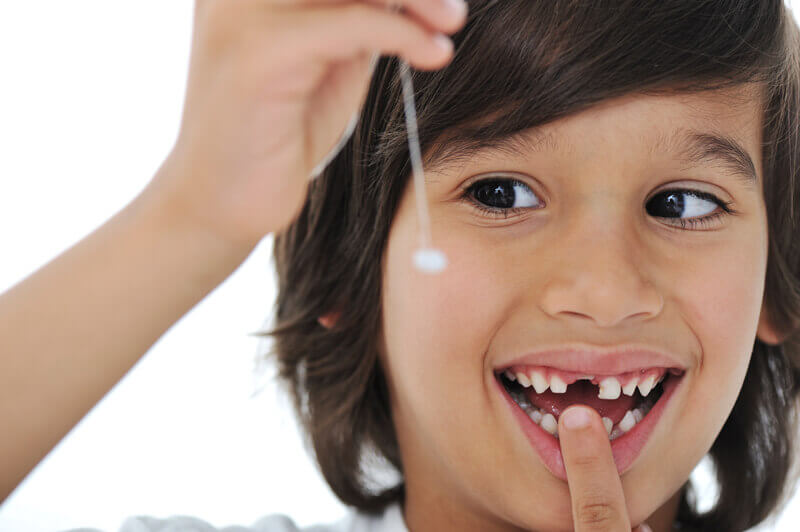
One of the study’s distinctive features is its use of teeth as a record of long-term chemical exposure.
Human teeth begin forming in the womb around the fourth month of pregnancy and are fully formed by about age 3. As they develop, teeth can incorporate chemicals from the body’s environment, creating a record of exposure over an extended period.
This differs from blood or urine samples, which generally reflect exposure during a shorter window. This is particularly important for chemicals with short half-lives that can break down within hours or days.
“Teeth capture cumulative exposures over long periods of time, whereas blood or urine samples only show a specific window of time,” Heilbrun said. “We need both.”
Wide range of potential exposures
Children can encounter chemicals through numerous pathways. Before birth, exposures can occur through what a pregnant mother breathes, eats or absorbs through her skin. After birth, potential sources include food, food containers, personal care and household products, air, water pipes and products designed for babies and children.
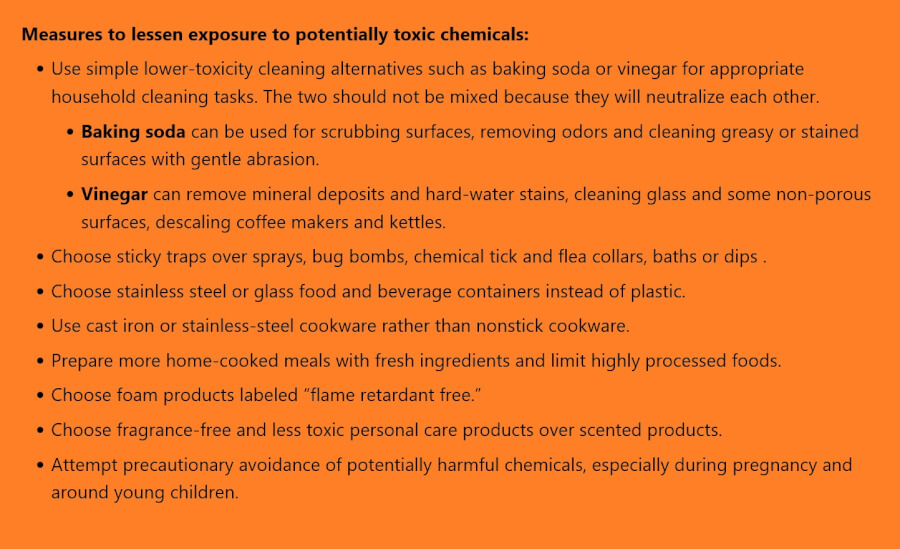
For the study, researchers used two-dimensional gas chromatography and time-of-flight mass spectrometry to analyze the teeth. Many of the compounds showing the largest differences between groups were chemicals used in everyday products such as baby bottles, diapers, food packaging, flame-retardant materials and fragrances.
Researchers identified 11 compounds found in baby bottles. Five of the nine compounds showing the greatest differences between the groups were chemicals that can leach from plastic bottles.
While the findings do not mean that these products or chemicals cause autism, they point to marked differences in chemical exposures that require further investigation.
Development may be particularly sensitive
The significance of these exposures stems, in part, from the timing of brain development.
Developmental toxicants or endocrine disruptors may affect biological processes involved in development. Many toxicants may also affect mitochondria, structures within cells responsible for producing energy and supporting cellular function.
“There are several critical windows of exposure during pregnancy, especially in the first trimester, but it doesn’t stop there,” Heilbrun said. “The central nervous system continues to develop after birth until around age 25.”
The potential relationship between chemical exposure and autism is complex. Genetic factors may influence how individuals respond to environmental exposures, potentially making some people more susceptible to particular chemicals.
Changing chemical landscape
Gimeno Ruiz de Porras said one of the remaining challenges is that chemicals are being developed faster than the scientific research needed to evaluate them.

“There are hundreds of millions of compounds being produced and released into commercial use,” he said. “Industry is moving much faster in producing chemicals for different uses than we can study them.”
For families, this can make it difficult to determine which products are safer alternatives, particularly because alternatives may be expensive or hard to find.
“This was a small study, but it gives us ideas about what we could do in this line of research in the future,” he said.
Next steps for exposure research
The scientists hope to see the research expand with larger cohorts, potentially including participants from multiple countries. They also would like to add high-resolution liquid chromatography to detect a broader range of chemicals, including heavier compounds not captured in the current analysis.
“There will not be one ‘magic solution’ to fix this problem, but there are many things we can do,” Gimeno Ruiz de Porras said. “As scientists, our role is to put the evidence-based, factual information out there.”
Lynne P. Heilbrun, Inkyu Han, Anabel Rodriguez, L. Aubree Shay, David Gimeno Ruiz de Porras, A pilot autism case-control study of pesticides and plasticizers in shed baby teeth, Neurotoxicology and Teratology, Volume 117, 2026, 107710, ISSN 0892-0362, https://doi.org/10.1016/j.ntt.2026.107710.